I wanted my social issue to revolve around the harm of vaping. It is an important to bring awareness to this issue as it affects many teens and children today. However since anti-vaping campaign are usually targeted to young teens, there are a variety of posters and videos that are inadequate and can be seen as “cringeworthy”. I believe that the strongest parts on this campaign are the videos and posters that focus more on the facts of what kind of harm vaping does do the body.
Online is better with Friends
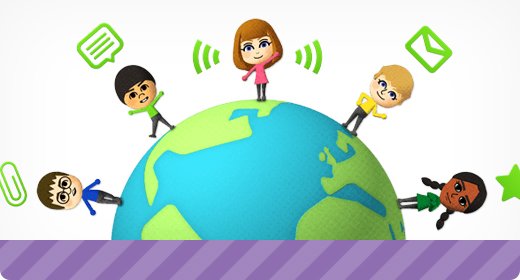
It is not breaking news that Social media has a large impact is everyone’s day to day life. Whether it involves leaving a simple like on the photo or your sister’s friend’s coworker’s pet dog or posting a hour-long video explaining why crocs are the worst shoe ever made. Long story short: Social media has brought people closer together faster than ever before, for better or worse. There are dozens of media platforms people choose for interacting with others online but only a handful are the most popular. And it’s not surprising that most are messaging or include messaging in the app, since that is what people do the most.
The sites that I use daily have changed over time and now seem like eras in my life. For example, in middle school was when I first started using social media and remember that Instagram and twitter where the two that I used to post and browse on the most. And during high school I created a Facebook in order to keep in touch with family and my older family friends. Some sites I found that I used consistency throughout the years were YouTube and Tumblr.
However, I never had many mutuals that I only knew and connected with through an online platform.
Today, I believe that I have been impacted the most through the way I communicate with people online. I can chat for hours with the same one or two people daily and never speak aloud once. Now that I am away from home and don’t have time to actually meet up with friends, I look forward to the time I can spend chatting with online friends. The main platform I use at the moment is Discord where I can join severs and chat to people with similar interests as me.

Discord is a cross-platform chat app for text, video, and voice comms.
Social media has had a positive impact on me now that I focus less on how many strangers like my posts and instead found a way to have fun with individuals I like. Although I may not know them on a personal level, I don’t think I need to. These people have encouraged me to continue to work on digital art and I encourage them in their creative writing. I look forward to my free time I have to chat with my “friends” and enjoy being part of a bigger community.
Knowledge for All!

The democratization of knowledge is known as the spread of knowledge to the common people. That has been in part to more resources being available to the public, beginning with the printing press, an invention lead to books being made in mass quantities and increasing the amount of people access to the information found inside. Knowledge was no longer available to only privileged elites such as those in clergy or academics, instead more of general public were given the chance to become “knowledgable” themselves. I find it both interesting and important to understand how we are able to gain so much info from all kinds of sources.

In the present both public libraries and modern digital technology has had an essential role in the democratization of information. Libraries provide communities with resources and tools to find information for free and provides un-biased information sources. The use of these media centers are seen as taking apart in citizenship and grants access to government services. Because the democratization of knowledge means providing information in a variety of formats, it also needs constant tending and revitalization with tons of new media available. As written in an article by the editors of Reference & User Services Quarterly, “the rise of the recording and broadcast industries in the twentieth century, and the development of the Internet itself were all forces for democratization,” and so, more information has never before been so easy to access.
With the internet having a central influence in our lives, it provides the fastest way to send and receive information of all kinds. Without it we would have to rely on others to spread info and be unable to look for it ourselves. Today, we can hop on to any website and catch up on content in forms of articles, videos, and pictures, all available on mobile devices. Although not all information found online may be true, the tools to prove it false or true are also available. It seems it is now harder to not find any info on a subject with so much already handy.

Sources:
Wallace, D. P., & Van Fleet, C. (2005). The Democratization of Information? Reference & User Services Quarterly, 45(2), 100–103.
Tattoo and Sued
We see tattoos of all types on all kinds of people everyday. With the most famous ones coming from celebrities themselves. It is no secret that people love to make fun of their tattoos since many are just plain ugly and hard to believe that someone actually thought it was a good idea.
That brings the questions, if people own their own bodies, does that mean they own the sometimes awful art they put on it too? Or how much does the tattoo artist own if it is their design? If a celebrity shows up in a tv show or movie and that body art is shown does the artist get a cut? Should they be able to argue that they needed permission?

With this, the Mike Tyson tattoo controversy may come to mind. In 2011, tattoo artist Steven Victor Whitmill, filed a copyright infringement lawsuit against Warner Bros. for using the tattoo in the movie Hangover II. He argued that the tattoo was his artistic property and was not asked permission for it to be used. Although this may seem like a petty reason to sue, it starts a discussion about artists and their rights to their works.
In this case, I believe Whitmil was in the right to file the lawsuit and receive money for a tattoo he had already registered with the United States Copyright Office in 2003. So it isn’t like he was making a big deal for nothing. I agree that tattoos should be seen as a final product, meaning after the artist is paid for their work that should be the end and would not receive any compensation for anything that body art maybe seen on the client. That is, if the art was not protected under copyright law. The company could have avoided this if they had done some research and asked for permission in the first place.
Someone may argue that in the context of the film that it falls under parody, and that they didn’t need to ask for permission. However for it to fall under fair use, “the new work must comment on the original work being used and not used just with the intent to be funny”, as mentioned in this video on the copyright alliance website.
As for what ended up happening, the case was settled outside of court. I think that the case brought to light some important issues about how copyright law is something that should be taken seriously even by large companies such as Warner Bros. Although the law my look restrictive, it protects creators and their works and when the law is followed it still allows people to create new things while still having freedom of speech.
Marriage Problems for Hire
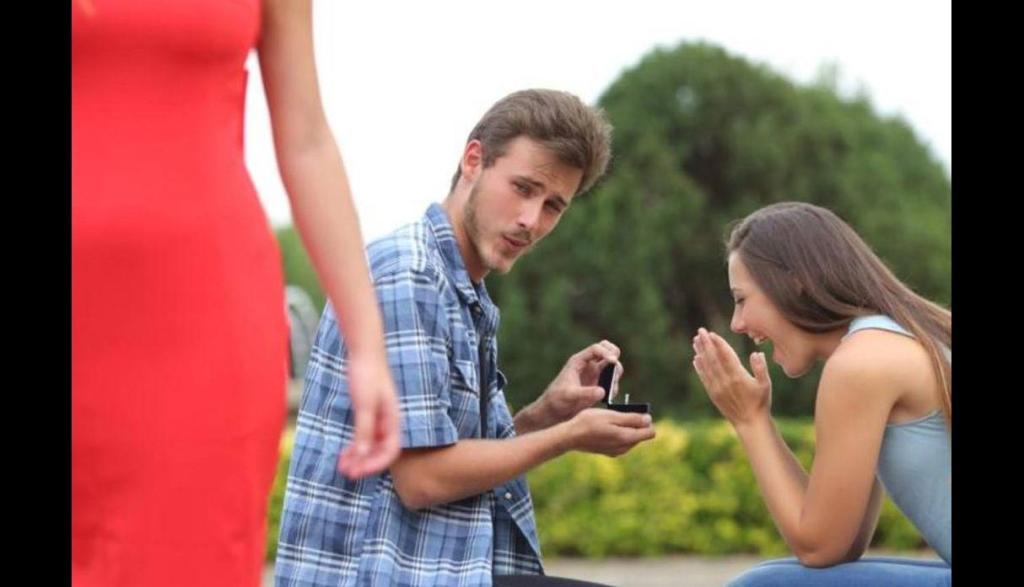
Hiring the right person for a job can already be a dooming task, but can you imagine also having to consider their attractiveness before allowing them to work in your home? It seems silly but for any couple the thought of having someone good looking near the other partner can cause some concern, no matter how strong of a relationship it may be. However I don’t think that should be reason to deprive a home worker of a job.
Why turn away someone qualified for the job and risk hiring one that does subpar work? There isn’t much difference from having an attractive person at home or meeting one in the park or the workplace. As stated in an article by Isadora Alman, a marriage and family therapist, “The individual … may be eager to be desired again and/or to feel excitement once more but they didn’t actively go looking for it. The opportunity was there…” If a person in a marriage feels that cheating will satisfy them then they will take a chance, no matter where that chance appears. Although one can argue that having someone so close to home can have more of an impact, there really isn’t a guarantee that the person working for you will become more of a threat than a co-worker or close friend.
Another problem that arises from avoiding having hot people work around your home is how would you measure attractiveness? Even with both partners married does not mean they find the same things appealing. Someone could not be beautiful but instead have a really charming personality. With this logic it makes more sense to not hire anyone at all. Or perhaps the partner doesn’t need a gorgeous person to lean into the temptation of cheating. As mentioned on the Relate website, UK’s largest provider of relationship support, “Affairs are often problematic because they represent a short term solution to a longer term problem.” In short, a person who is willing to cheat will cheat whether there is an attractive person working in the home or not, so I think couples should hire anyone who is the best fit for the job.
 The One and Only Mars